
How to Learn Rope Bondage Alone: A Beginner’s Guide to Safe Knots, Common Mistakes & Solo Practice
When most people first become interested in rope bondage, they usually run into one of two problems.
The first is information overload. One search leads to suspension tutorials, advanced Japanese rope techniques, and dozens of complicated knot diagrams.
The second is finding someone to practice with.
I remember when I first started learning rope bondage. I spent hours watching tutorials, but when it came time to actually tie the knots, I realized something embarrassing:
I understood the theory, but my hands had no idea what to do.
That's why I wrote this guide.
If you're completely new to rope bondage and want a safe, beginner-friendly place to start, this article covers the essentials—including a solo practice method that helped me learn much faster.
What Is Rope Bondage?
Rope bondage is the practice of using rope to create restraint, body decoration, or power-exchange experiences between consenting adults.
For some people, it's about intimacy and trust.
For others, it's an artistic form that focuses on patterns, body positioning, and aesthetics.
Regardless of the reason, beginners should always focus on safety before appearance.
A simple, comfortable tie is always better than a complicated tie that creates risk.
Essential Rope Bondage Equipment for Beginners
You don't need an expensive setup to get started.
Here's what I recommend:
Soft Rope
Many beginners choose cotton rope because it's affordable, easy to handle, and less abrasive on the skin.
Avoid rough rope from hardware stores, which can cause unnecessary friction and discomfort.
Safety Scissors
This is non-negotiable.
Keep blunt-tip safety scissors within arm's reach every time rope is involved.
Rope can always be replaced.
People can't.
Comfortable Practice Space
A bed, carpeted floor, or padded surface is usually enough for basic learning.
A Practice Model
If you don't always have a partner available, having something to practice rope placement on can be surprisingly helpful.
More on that later.
Rope Bondage Safety Rules Every Beginner Should Know
Before learning any knots, understand these fundamentals.
1. Check Tightness Frequently
You should be able to slide two fingers comfortably between the rope and the body.
If circulation feels restricted, loosen the tie immediately.
2. Avoid Tightening Knots on Skin
Some knots continue tightening under pressure.
These should never be used directly on wrists, ankles, or other sensitive areas.
3. Monitor Skin Color and Temperature
Cold skin, numbness, tingling, or discoloration are warning signs.
Untie immediately if any of these occur.
4. Remove Jewelry
Rings, watches, and bracelets can create pressure points beneath rope.
5. Communicate Constantly
Even simple ties require ongoing communication and consent.
Checking in regularly is one of the most important skills a rigger can learn.
Four Beginner Rope Knots Worth Learning
When I started, I spent an afternoon practicing these knots with an old shoelace before touching real rope.
It sounds silly, but it worked.
Overhand Knot
A simple stopper knot that prevents rope ends from fraying.
Useful for rope management, but generally not ideal for tying directly on a person.
Square Knot
One of the most useful beginner knots.
It can secure two rope ends and forms the foundation of many simple ties.
A common mistake is accidentally creating a granny knot, which can slip under tension.
Half Hitch
Excellent for anchoring rope to furniture or fixed objects.
Not suitable for direct skin contact because it can tighten when pressure is applied.
Lark's Head
One of the most beginner-friendly rope attachments.
It's easy to learn, distributes pressure well, and works great for simple cuffs.
Common Rope Bondage Mistakes Beginners Make
I made every single one of these.
Learning Advanced Ties Too Early
Many newcomers jump directly into complex bondage positions.
Mastering basic knots first makes everything easier later.
Ignoring Safety Equipment
No scissors nearby.
No circulation checks.
No communication.
These are avoidable mistakes.
Focusing on Appearance Instead of Comfort
A beautiful tie means nothing if the person wearing it is uncomfortable.
Practicing Too Infrequently
Like any skill, rope work improves through repetition.
Even ten minutes of practice a few times a week can make a huge difference.
How to Learn Rope Bondage Alone

This is the challenge many beginners face.
You don't always have a willing model available.
And practicing on yourself doesn't always show how rope behaves from different angles.
For a long time, I used pillows and rolled-up blankets.
They worked—but only up to a point.
Eventually, I started using a poseable figure to visualize rope paths, body positioning, and knot placement before trying anything with a real partner.
Being able to adjust limbs, test tension, and study the tie from every angle helped me understand rope mechanics much faster.
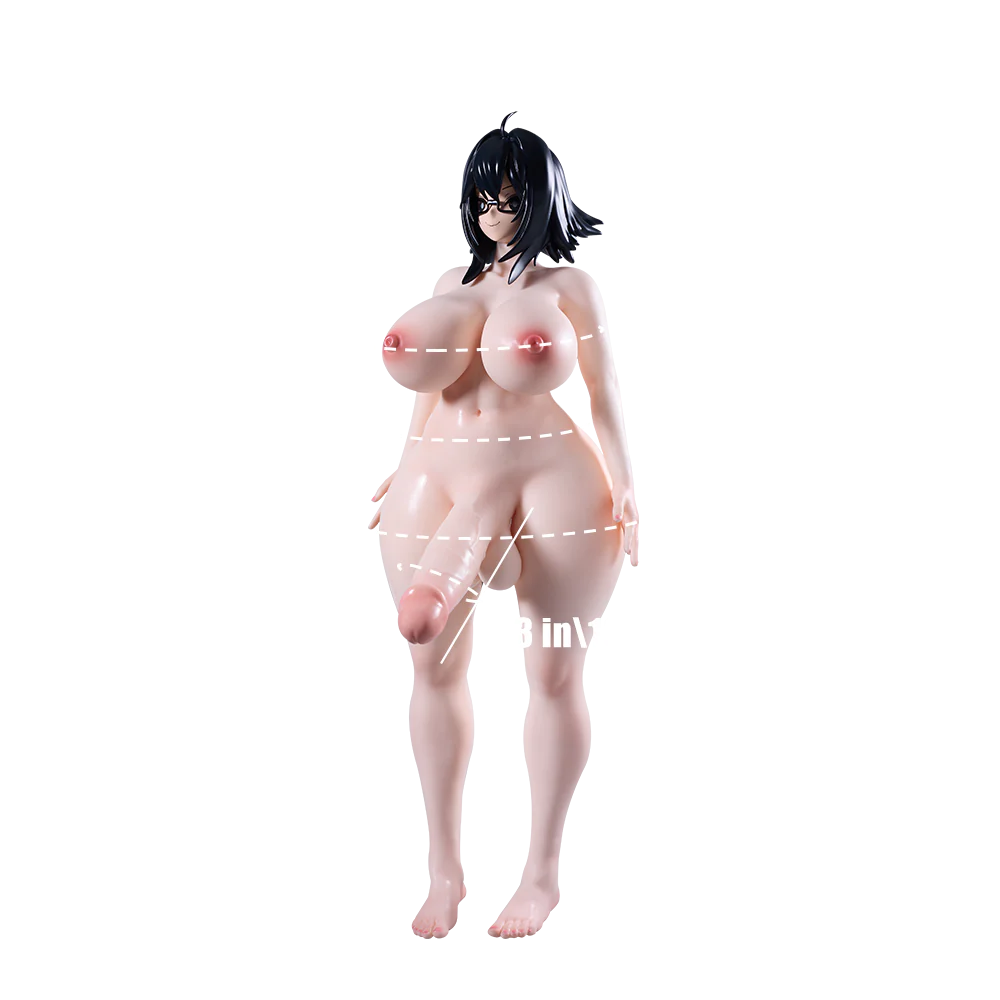
One model I've personally enjoyed using is the Sinesian Anime Figure from Xhentaidoll.

What makes it useful isn't just the design—it's the fully poseable joints.
I can position it for beginner-friendly ties, examine how rope crosses the body, estimate rope length requirements, and experiment without worrying about someone's comfort or safety.
For beginners learning alone, having a dedicated practice model can bridge the gap between reading tutorials and developing real hands-on experience.
Why Xhentaidoll Believes Learning Should Be Accessible
At Xhentaidoll, we believe exploration should be safe, creative, and judgment-free.
Many people discover new interests without having a partner available or a local community to learn from.
That's why we appreciate products that help people practice, learn, and build confidence at their own pace.
Whether you're exploring rope bondage, photography, posing, or artistic display, having tools that support learning can make the process far more enjoyable.
FAQ
Is rope bondage safe for beginners?
Yes, as long as beginners focus on simple ties, communication, and basic safety practices. Advanced suspension techniques should be avoided until proper training is acquired.
What rope is best for beginners?
Soft cotton rope is often recommended because it is comfortable, affordable, and easy to handle.
How long should a beginner rope session last?
Short sessions are usually best. Check circulation frequently and prioritize comfort over duration.
Can I learn rope bondage without a partner?
Yes. Many beginners practice knots on household objects, pillows, mannequins, or poseable figures before involving a partner.
What is the most important rope bondage safety tool?
A pair of safety scissors. They should always be available whenever rope is being used.
Final Thoughts
Rope bondage isn't really about mastering hundreds of knots.
It's about patience, trust, communication, and learning responsibly.
The best rope practitioners aren't necessarily the ones who create the most complicated patterns.
They're the ones who prioritize safety, respect boundaries, and continue learning over time.
Start simple.
Practice often.
Keep your scissors nearby.
And enjoy the process.