
How to Clean a Sex Doll Torso: A Step-by-Step Care Guide
Black Friday: 20% off — our biggest discount of the year. Restock the care essentials from this guide while the offer lasts. Shop the Black Friday !!!
TPE and silicone torsos do not age the same way, and they do not tolerate the same products. One wipe with the wrong cleaner can leave a TPE surface tacky or cracked, while a silicone-based lubricant can permanently damage a silicone surface. The routine itself is short; knowing which version of it applies to your doll is the part that matters.
This guide follows the full care sequence, from lubrication before use through cleaning, disinfecting, drying, inspection, and storage. It also covers the questions that come up most often once a torso has been owned for a few months.
The 30-second routine
- Use a water-based lubricant only.
- Clean within a few hours of use with lukewarm water (35–38°C / 95–100°F) and a mild, fragrance-free soap.
- Flush the internal channel until the water runs clear. No high pressure, no hot water, no stiff brushes.
- Dry the surface and the channel completely. An absorbent drying stick helps.
- Powder TPE once fully dry. Silicone usually needs no powder.
- Store clean, dry, and supported, away from heat, sunlight, and dark fabrics.
Always follow the care sheet supplied with your specific model. If it differs from this guide, the manufacturer's instructions take priority.
In this guide
- 1. Know your material first
- 2. Before use: preparation and lubrication
- 3. After use: the cleaning routine
- 4. Disinfecting: what is actually safe
- 5. Drying completely
- 6. Powdering (TPE only)
- 7. Inspect and store
- 8. Common care mistakes
- 9. Frequently asked questions
1. Know your material first
Most torsos are made from TPE (thermoplastic elastomer) or silicone. The two behave differently because TPE is porous and oil-infused, while silicone is non-porous and more chemically stable. That single difference drives almost every decision below.
|
|
TPE / TPR |
Silicone |
|
Surface |
Porous, contains mineral oils |
Non-porous |
|
Lukewarm water |
Up to ~40°C / 104°F |
Tolerates more, but lukewarm is still best |
|
Alcohol-based products |
Never — dissolves the surface layer |
Occasional spot use only; can dull the finish over time |
|
Powder after drying |
Required to prevent tackiness |
Optional, cosmetic only |
|
Silicone-based lubricant |
Avoid |
Avoid — bonds to and damages the surface |
|
Oil-based lubricant |
Avoid — leaches the material's oils |
Avoid |
|
Dye transfer from dark fabrics |
Absorbs colour easily |
More resistant |
|
Over time |
Gets sticky, attracts lint without powder |
Stays matte, lower maintenance |
Not sure which one you have? Check the product page or the care sheet before you buy any cleaner. When in doubt, treat it as TPE — the more cautious routine will not harm silicone.
2. Before use: preparation and lubrication
Good care starts before the first use, not just after the last one.
Clean a brand-new torso first. A fresh TPE or silicone surface can carry a light residue from the mould-release agent used in manufacturing. Wipe it down with a damp cloth and a little mild, fragrance-free soap, then dry it. It is not harmful, but it is better removed before the surface touches skin or fabric.
Check for electronics. If your torso has heating, vibration, or sensor components, never submerge it. Disconnect powered accessories, keep the neck connector and any openings dry, and wipe the surface instead of immersing the whole piece. Detachable inserts should be removed and washed separately.
Apply a compatible water-based lubricant. Use a generous amount on the contact areas and inside the channel. Water-based formulas are the safe default for both TPE and silicone, and they rinse out easily. Silicone-based lubricants can bond to silicone surfaces, and oil-based products (including coconut oil, baby oil, and petroleum jelly) break down TPE over time and are difficult to wash out.
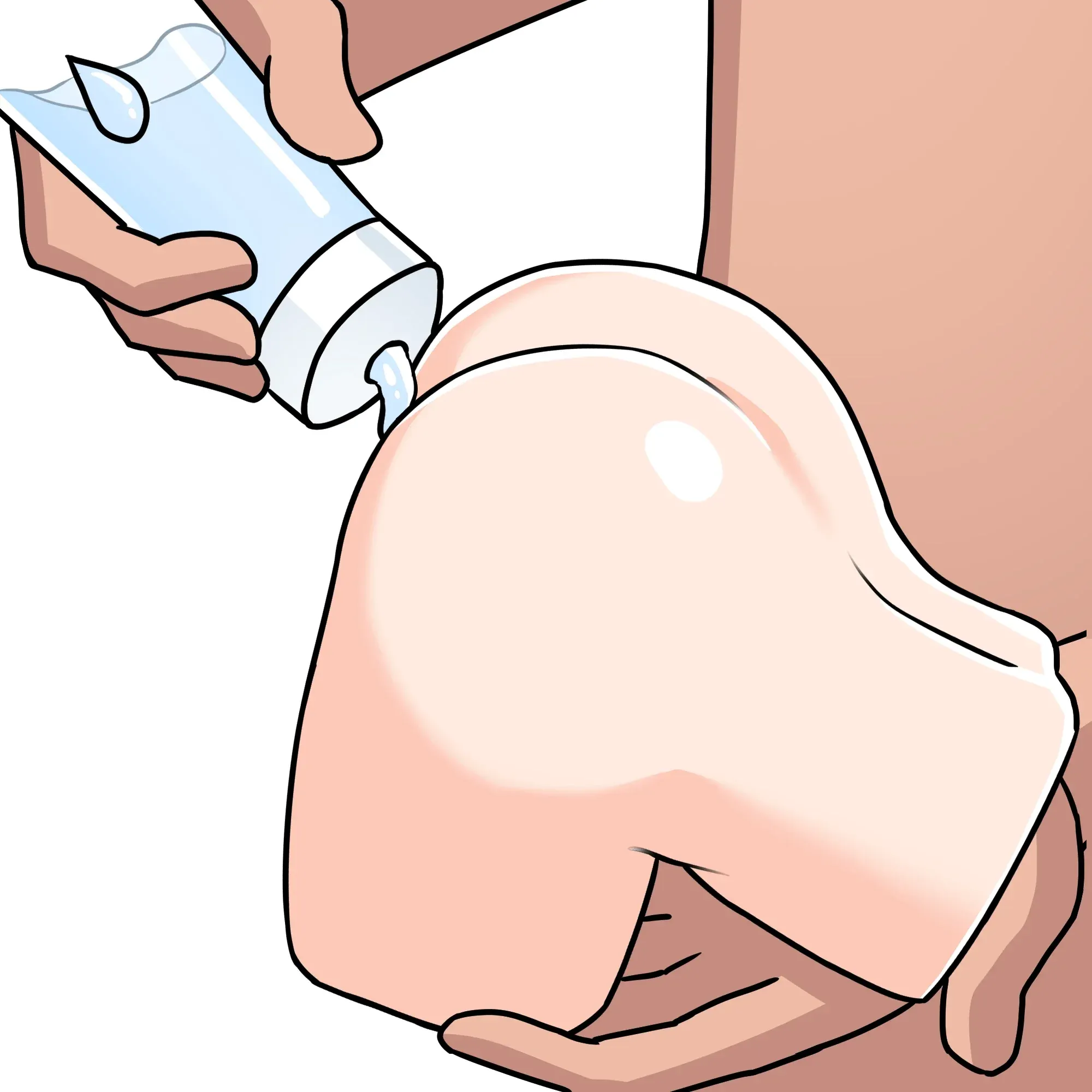
Apply enough lubricant to the channel as well as the surface — friction is what stresses soft material.
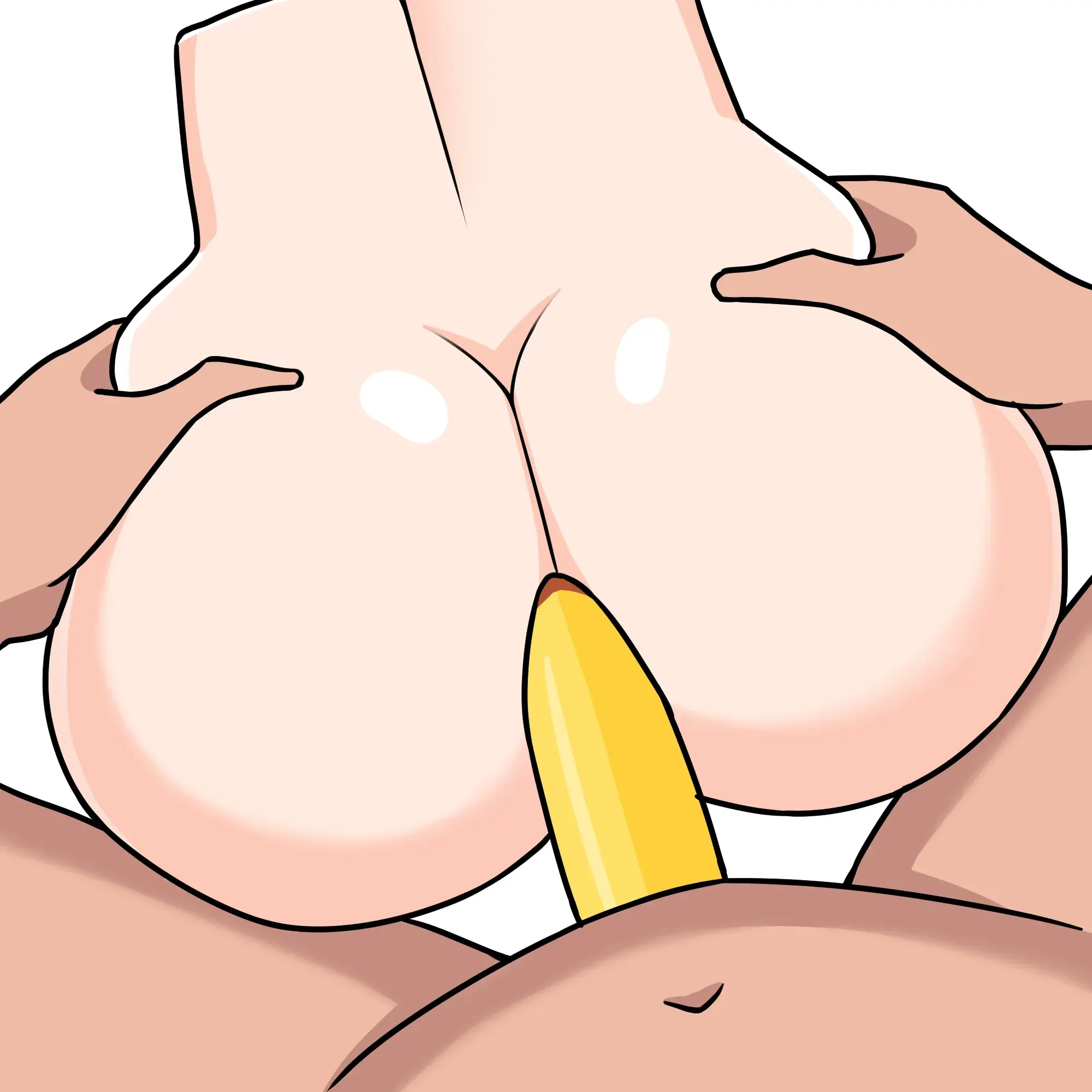
Keep the bottle within reach so you can reapply rather than continue when the surface has dried out.
3. After use: the cleaning routine
Clean within a few hours rather than leaving it until the next day. Warm, enclosed channels are exactly where residue and moisture linger, and a quick flush now is far easier than dealing with a persistent odour later.
What you need
- Lukewarm water, 35–38°C / 95–100°F (never hot)
- A small amount of mild, fragrance-free, pH-neutral soap or a dedicated toy cleaner
- A soft, lint-free microfiber towel
- An irrigator, bulb douche, or soft rinse bottle for the internal channel
- An absorbent drying stick (diatomaceous earth or similar)
- TPE renewal powder or pure cornstarch, plus a soft makeup brush (TPE only)
Step 1 — Rinse away visible residue
Start with lukewarm water over the areas that contacted lubricant or bodily fluids. Hold the torso so water can drain out of the channel rather than pooling inside. Do not use high water pressure, and do not submerge a torso with electronic components.
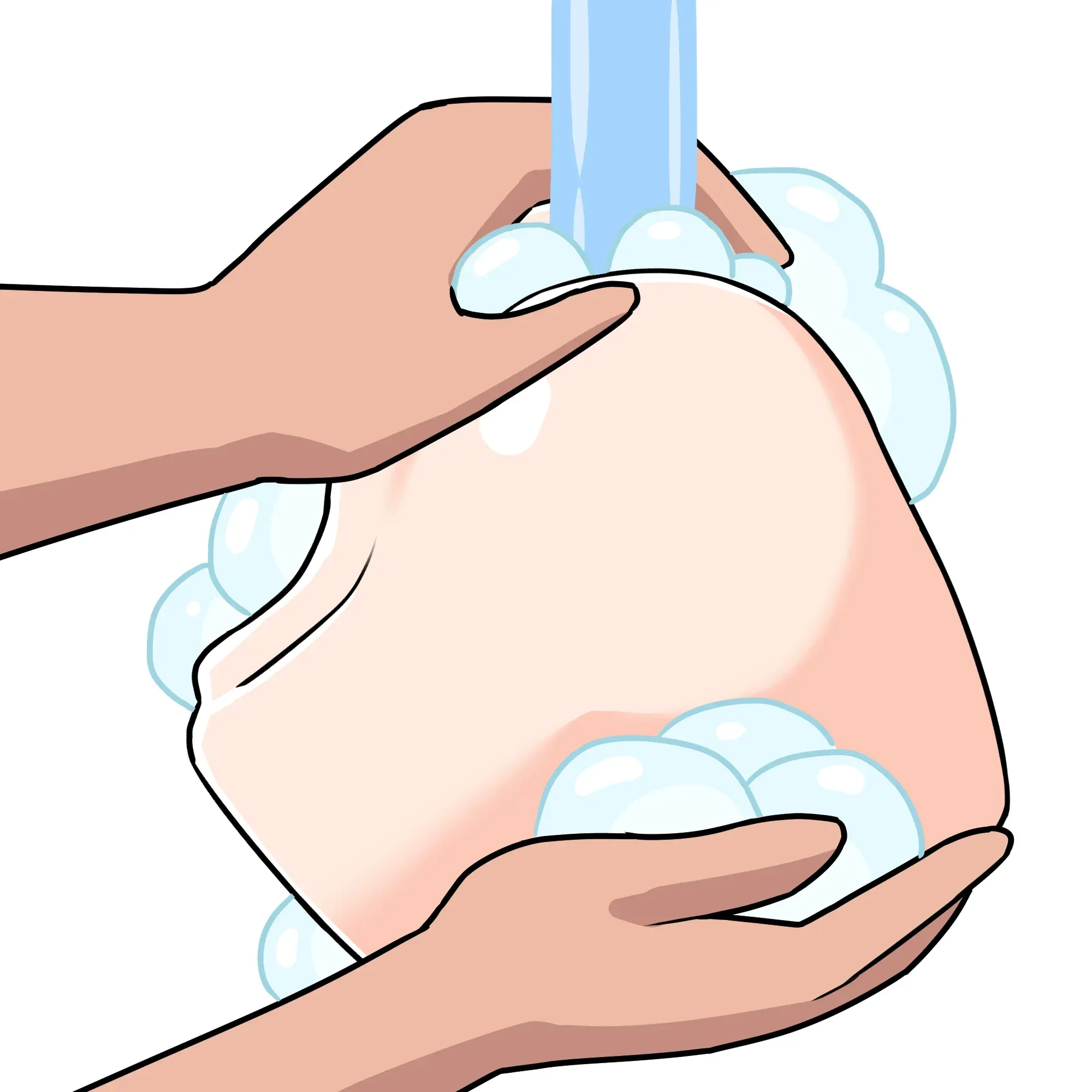
Lukewarm, not hot. Heat softens TPE and can distort fine surface detail.
Step 2 — Wash the surface gently
Wipe the exterior with a small amount of mild soap and a soft cloth or your hands. Work in gentle circular motions; there is no need to scrub. Soft TPE and silicone scratch more easily than skin, and those micro-scratches later trap residue. Pay attention to folds and textured areas where oils collect, then pat rather than rub.
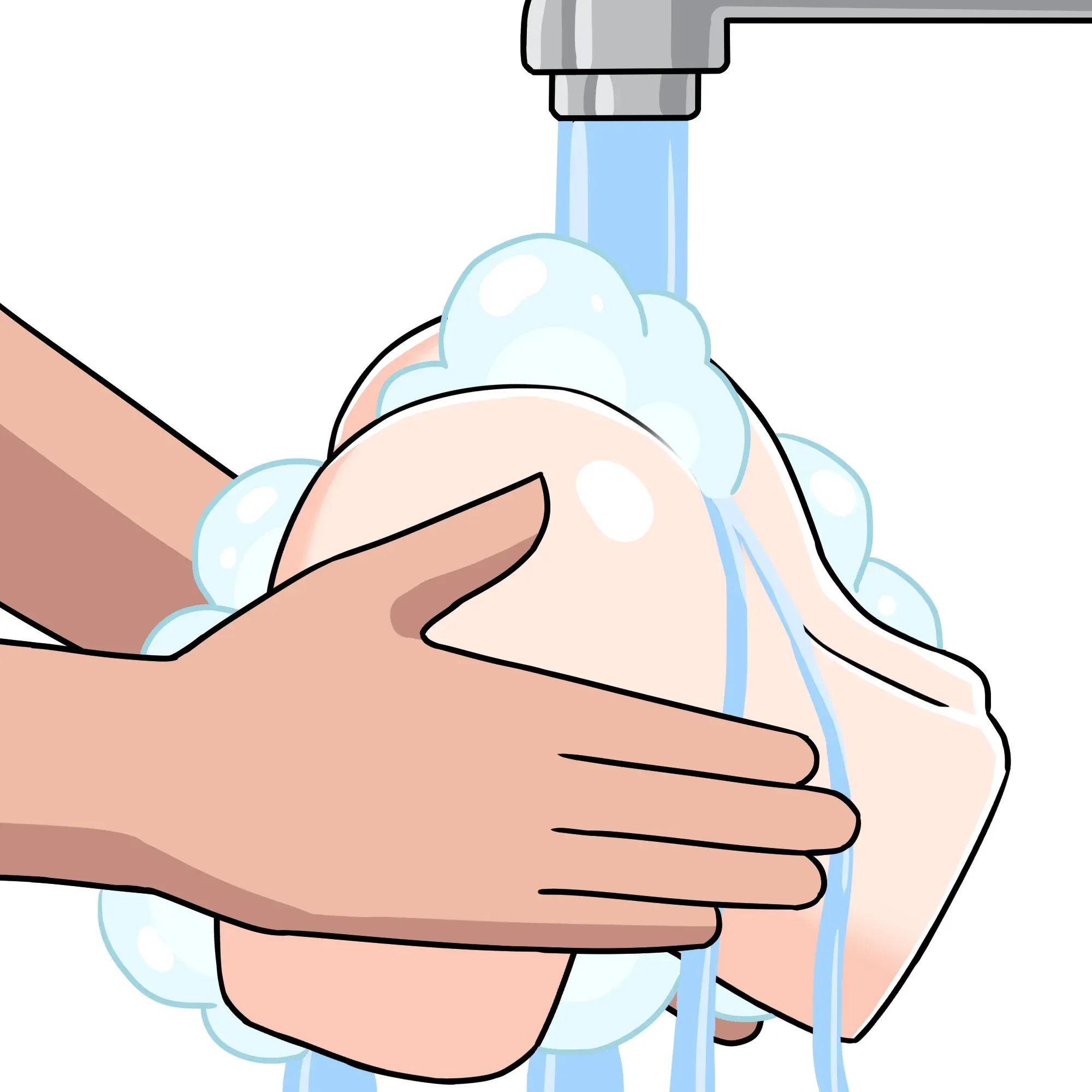
One pump of soap is enough. Excess foam simply takes longer to rinse out.
Step 3 — Rinse until the water runs clear
This is the step people rush. Flush the surface and the channel repeatedly with clean water until there is no soap film left — usually three to five flushes. Residue left behind dries into a film that can irritate skin and dull the material.
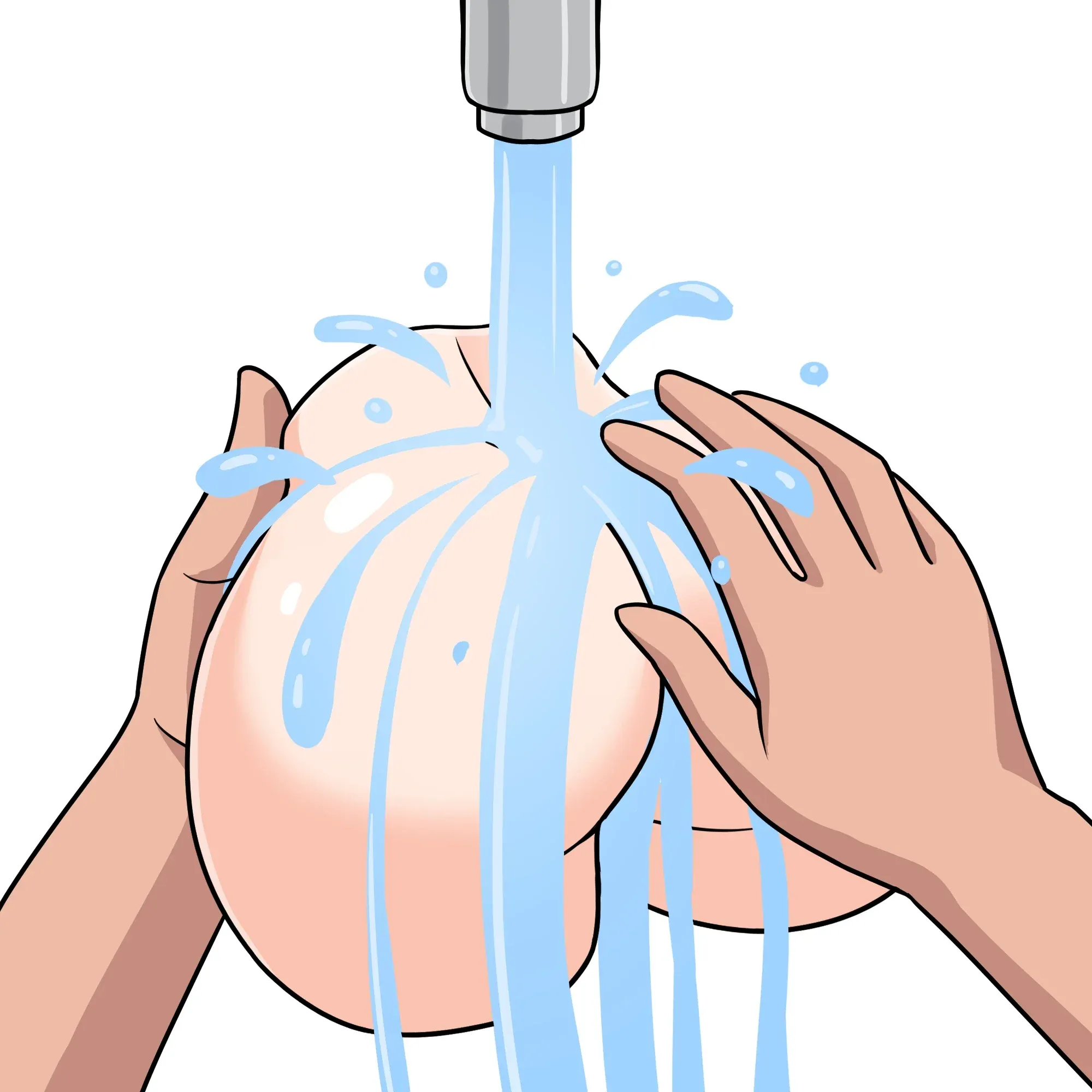
Clear running water is the test: if it still looks cloudy, keep rinsing.
The internal channel needs its own pass
The channel is enclosed, textured, and slow to dry, so it cannot be cleaned by wiping the outside. Use an irrigator or rinse bottle filled with lukewarm water and a very small amount of mild soap. Flush, let it drain, and repeat until the water runs clear, then flush once or twice more with plain water.
- Use your fingers or a soft, purpose-made cleaning tool — never a stiff brush, scouring pad, or melamine foam.
- Never use boiling water, high-pressure jets, or household disinfectants inside the channel.
- If your model has a removable insert, take it out and wash it on its own. It is quicker and gets noticeably cleaner.
- Keep powder, water, and cleaner out of any neck connector or electrical opening.
4. Disinfecting: what is actually safe
Cleaning and disinfecting are different jobs. Washing removes residue; a compatible disinfecting product is an extra step you may want periodically — for example before use after long storage, or on a schedule recommended by your manufacturer. It does not replace the after-use wash.
Exterior surfaces. Use only a product explicitly labelled safe for your material. If you prefer a wipe, choose one that is alcohol-free and fragrance-free and confirmed compatible with TPE or silicone, then test it on a small, inconspicuous area first. Wipe gently with a soft cloth or compatible wipe; do not rub at painted or detailed areas.
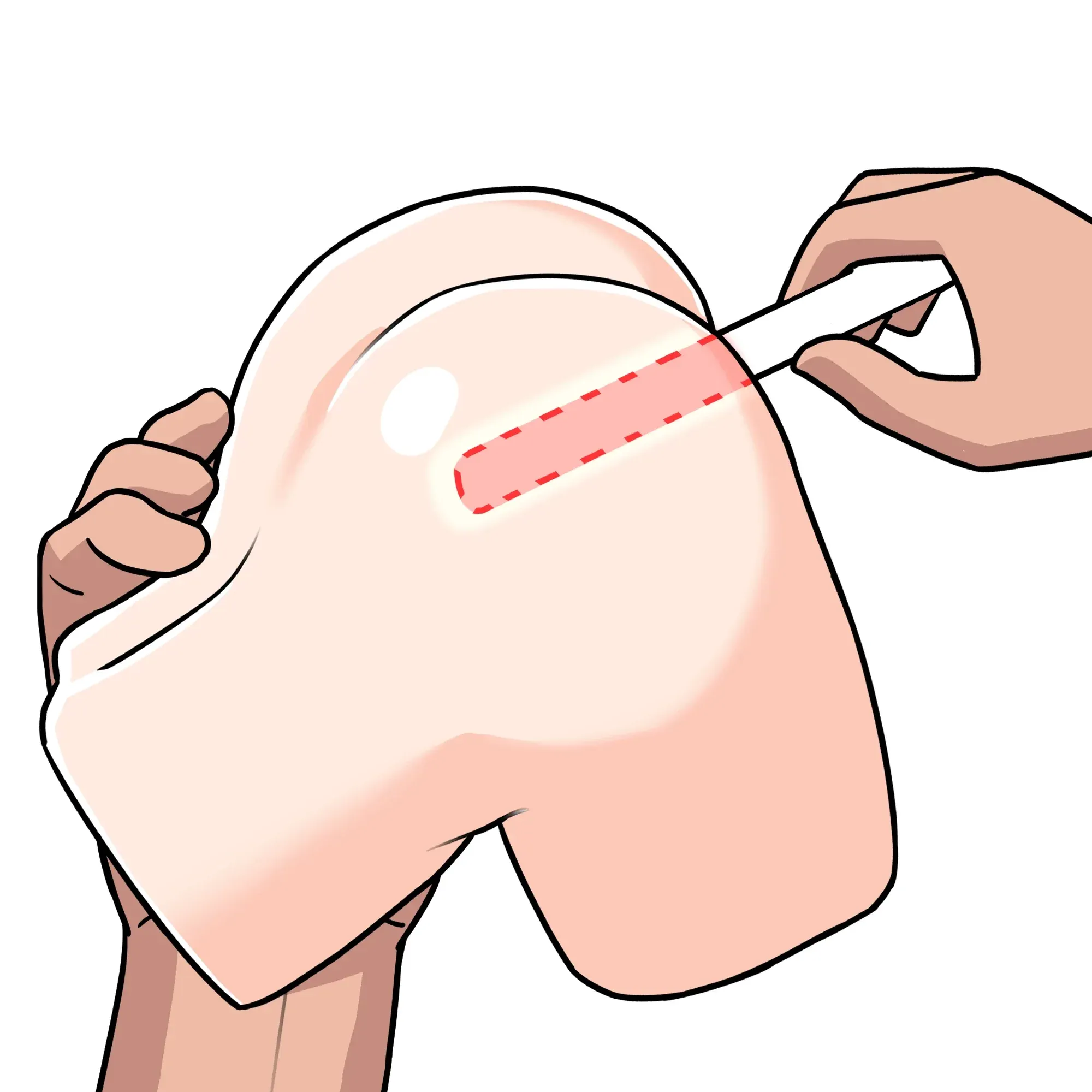
Check the ingredient list first: many household wipes contain alcohol, which TPE cannot tolerate.
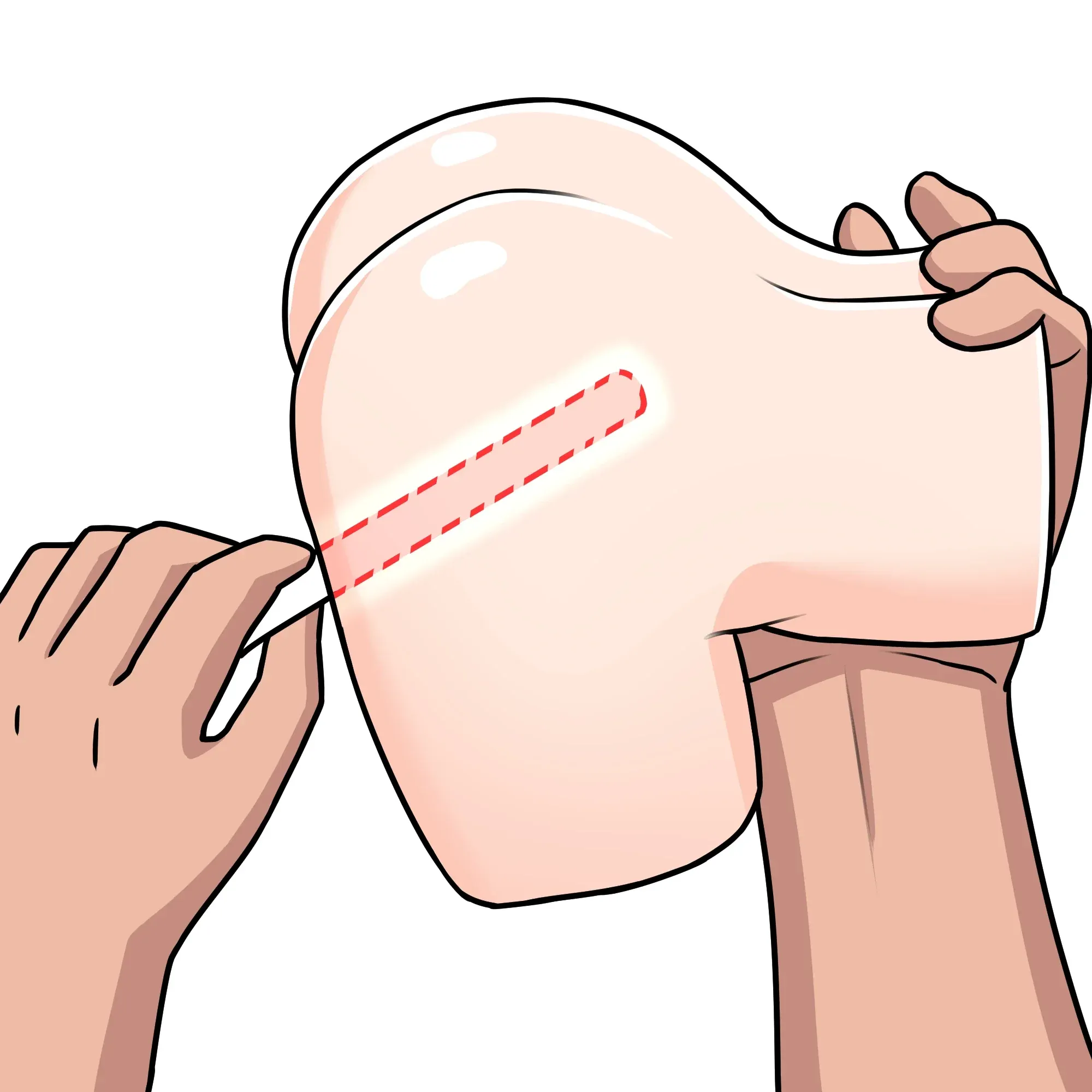
Treat disinfecting as an occasional extra step, not part of every wash.
Internal channel. Flush and clean the channel as described above. Do not insert rough tools, and do not pour household disinfectants, alcohol, or bleach into it. A dedicated toy-cleaning spray labelled safe for the material can be used if your care sheet allows it — follow its contact time and rinse it away fully.
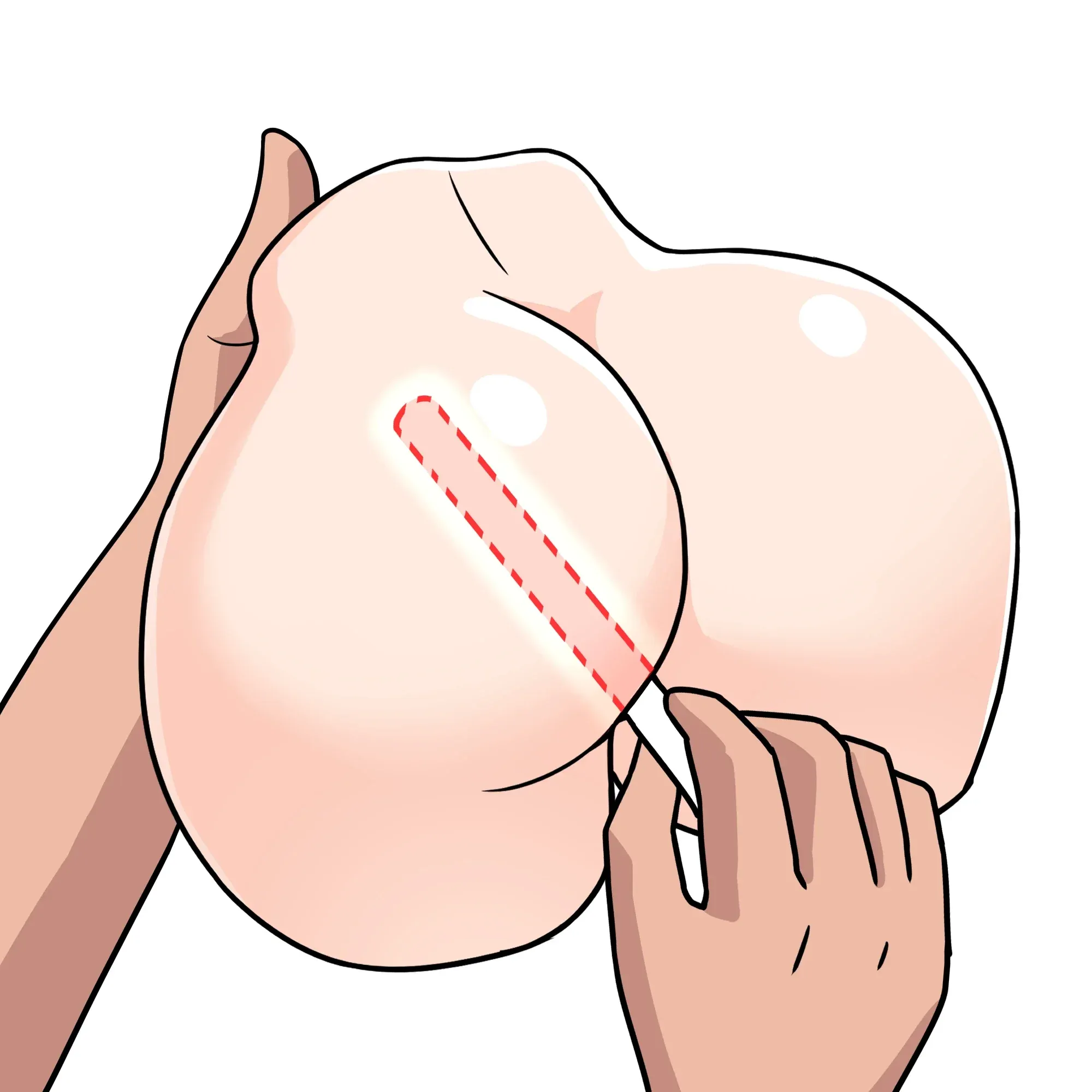
Flush, drain, repeat. Nothing abrasive goes inside the channel.
Keep well away from the material
- Isopropyl (rubbing) alcohol and alcohol-based wipes — dissolve TPE on contact
- Bleach, acetone, and strong solvents
- Essential oils, including tea tree and citrus oils
- Harsh detergents, degreasers, and heavily fragranced soaps
- Abrasive sponges, stiff brushes, and magic erasers
- Hot water, hair dryers on a hot setting, heaters, and direct sunlight
If a product is not clearly labelled for your material, skip it. Mild soap and thorough rinsing handle the vast majority of routine care.
5. Drying completely
Storing a torso while moisture is still trapped inside is the single most common cause of odours and mould. The outside can feel dry while the channel is still damp.
- Pat the exterior dry with a clean, lint-free microfiber towel. Do not rub or twist — friction generates heat and can leave micro-tears on the surface.
- Let the channel drain. Position the torso so gravity pulls water out of the opening, and gently press around the surrounding area to release trapped water.
- Use an absorbent drying stick. Insert a clean diatomaceous-earth or polymer drying stick for around 30 minutes, then remove it and check for remaining moisture. Never leave one in for extended storage.
- Air-dry in a well-ventilated space for at least 30 minutes. A small fan on a low, cool setting speeds this up. A hair dryer on a cold setting can help, but never use heat.
- Check both areas before moving on. Run a clean, dry finger or a soft cloth at the opening; if it feels cool or damp, keep drying.
Airflow and time, not heat. Avoid sunlight, radiators, and hot hair dryers.
6. Powdering (TPE only)
TPE continuously brings small amounts of oil to the surface. Washing removes that film, which is why a freshly dried TPE torso often feels slightly tacky. A light dusting of powder restores the smooth, dry finish and stops the surface picking up lint.
- Wait until the torso is completely dry, inside and out.
- Use pure cornstarch or a talc-free renewal powder; avoid talc-based baby powder.
- Apply a thin, even layer with a large soft makeup brush and brush off the excess.
- Keep powder out of the internal channel and any electrical connector.
- Repeat every two to three weeks, or whenever the surface starts to feel sticky.
Silicone does not leach oils and does not need routine powdering. A very light application is purely cosmetic if you prefer a matte look.
7. Inspect and store
A quick check before putting the torso away takes seconds and catches small problems while they are still small.

Look for small tears, discolouration, sticky patches, or any remaining residue.
If you notice a persistent odour, visible mould, a growing tear, or a surface that stays sticky after cleaning and powdering, stop using the torso and contact the manufacturer or a qualified repair service. Small tears are far easier to repair early.
Storage checklist
- Store only once the surface and channel are completely dry.
- Choose a cool, dry, dark space — no direct sunlight, radiators, hot cars, or attics.
- Support the torso in a neutral, untwisted position so its shape is evenly held.
- Do not stack heavy objects on top of it, and change the position periodically if it is stored long term.
- Wrap it in white or undyed cotton, or use the original shaped foam insert. Dark or brightly coloured fabrics can transfer dye into TPE permanently.
- Use a breathable cover rather than a sealed plastic bag, which traps moisture.

The original packaging usually supports the shape better than a generic container.
8. Common care mistakes
|
Mistake |
Why it matters |
Do this instead |
|
Silicone- or oil-based lubricant |
Bonds to silicone, leaches and degrades TPE |
Water-based only |
|
Cleaning the outside but not the channel |
Residue and moisture stay trapped inside |
Flush the channel after every use |
|
Storing before the channel is dry |
Leads to odour and mould |
Drain, drying stick, then air-dry |
|
Alcohol wipes, bleach, acetone, essential oils |
Dissolve or discolour soft materials |
Mild fragrance-free soap, or a labelled-safe toy cleaner |
|
Hot water or a hot hair dryer |
Softens and deforms TPE |
Lukewarm water, cool airflow |
|
Skipping powder on TPE |
Surface turns sticky and attracts lint |
Thin layer of talc-free powder every 2–3 weeks |
|
Dark clothing or coloured fabric in storage |
Dye transfers into porous TPE |
White or undyed cotton |
|
Heavy items stacked on top |
Leaves permanent dents and creases |
Neutral position, no pressure on one area |
9. Frequently asked questions
How often should you clean a sex doll torso?
Clean the areas exposed to lubricant or bodily fluids after every use, ideally within a few hours. Give the whole torso a more thorough clean every two to four weeks if it is used regularly, and at least monthly even if it has been sitting unused, to remove dust. Always clean before and after a long storage period.
What lubricant should I use with a sex doll torso?
A water-based lubricant is the safe default for both TPE and silicone and rinses out easily. Avoid silicone-based lubricants on silicone products, and avoid oil-based products on any soft doll material.
How do you clean the inside of a sex doll torso?
Flush the channel with lukewarm water and a small amount of mild soap using an irrigator or rinse bottle, repeat until the water runs clear, then rinse with plain water. Drain it well, use an absorbent drying stick, and let it air-dry fully. Never use a stiff brush, high water pressure, or household disinfectants inside the channel.
Can I use disinfectant wipes or alcohol on a sex doll?
Most household disinfectant wipes contain alcohol, which dissolves the surface of TPE. Only use a wipe that is alcohol-free, fragrance-free, and explicitly confirmed compatible with your material, and test it on a small hidden area first. On silicone, occasional spot use of a 70% alcohol wipe is possible but not recommended as a routine, as repeated exposure dulls the finish. Never use bleach or acetone on either material.
How long does a sex doll torso take to dry?
Pat the exterior dry, position the channel so it can drain, and allow at least 30 minutes of airflow in a well-ventilated space. An absorbent drying stick left in for about 30 minutes usually handles the remaining interior moisture. Humid rooms take longer. There is no fixed clock — check that both the surface and the channel are completely dry before storing, and never speed things up with heat.
Do I need to powder my sex doll torso?
If it is TPE, yes. A thin layer of pure cornstarch or talc-free renewal powder after every full clean, and every two to three weeks between washes, keeps the surface from becoming tacky. Silicone torsos do not need routine powdering.
Why does my torso feel sticky, and what should I do?
TPE naturally exudes oil. Wash it with mild soap, dry it completely, then apply a thin layer of talc-free powder with a soft brush. If stickiness returns immediately or the surface looks swollen or cracked, stop using it and check with the manufacturer — that can indicate a reaction to an incompatible product.
How should I store a sex doll torso?
Only once clean and fully dry. Keep it in a cool, dark, dry place, supported in a neutral position with no heavy pressure, wrapped in white or undyed cotton or placed in the original shaped foam insert. Avoid direct sunlight, heat, sealed plastic, and dark fabrics.
Keep the routine simple
Six habits cover almost everything: a compatible lubricant before use, a prompt wash afterwards, a proper flush of the internal channel, complete drying, powder for TPE, and sensible storage. None of them takes long, and doing them consistently is what keeps the material in good condition over time.
At Xhentaidoll, we put together a short care kit with the basics used in this guide — water-based lubricant, a material-safe cleaner and drying stick, and renewal powder for TPE. If you are still choosing a model, our TPE vs silicone guide explains how the two materials differ in day-to-day upkeep.
Black Friday 2026: 20% off — the biggest discount we have run all year. If a care kit, lubricant, or renewal powder is on your list, order before {{BF_END_DATE}} to get this price. Shop the Black Friday sale →
If anything in your own care sheet conflicts with this guide, follow the care sheet — it was written for your specific product.